Rising oil prices and import pressure behind PM Modi’s gold appeal
Why PM Modi asked Indians to avoid buying gold for one year amid West Asia tensions
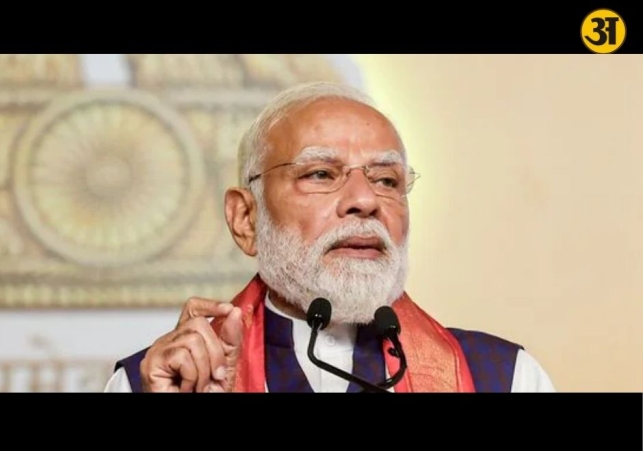
Prime Minister Narendra Modi has urged Indians to avoid buying gold for one year as the country faces growing economic pressure due to rising crude oil prices and tensions in West Asia. The appeal has surprised many people because gold is deeply connected to Indian traditions, weddings and savings. However, experts say the request is linked to the country’s increasing import bill, pressure on foreign exchange reserves and concerns over the economy during the ongoing global crisis.
The Prime Minister made this appeal at a time when tensions between the United States and Iran have pushed global oil prices sharply higher. Concerns over security in the Strait of Hormuz, one of the world’s most important oil transport routes, have created uncertainty in international markets. As a result, crude oil prices have risen rapidly in recent weeks.
Reports say Brent crude prices increased from nearly 70 dollars per barrel to around 126 dollars per barrel. This sharp rise is worrying for India because the country imports most of its oil needs from other nations. Higher oil prices mean India has to spend much more foreign currency on energy imports.
PM Modi said citizens should reduce unnecessary spending and conserve resources to help the economy during this difficult period. He especially requested people to avoid purchasing gold for one year because gold imports are putting heavy pressure on India’s foreign exchange reserves.
Why gold imports worry the government
India is one of the world’s biggest buyers of gold. Gold is widely purchased during weddings, festivals and family celebrations. Many families also see gold as a safe investment and a symbol of financial security.
However, India produces very little gold domestically. More than 90 per cent of the country’s gold demand is met through imports. This means India has to spend a large amount of foreign currency, mainly US dollars, to buy gold from other countries.
According to reports, India imports around 700 to 800 tonnes of gold every year. In recent years, the amount spent on gold imports has increased sharply because global prices have risen.
Reports show that India’s gold imports reached a record 71.98 billion dollars in 2025-26. This was much higher than 58 billion dollars in the previous year. In comparison, gold imports were about 45.54 billion dollars in 2023-24 and around 35 billion dollars in 2022-23.
Experts say this rapid increase has become a major reason behind India’s growing trade deficit. A trade deficit happens when a country imports more goods than it exports. India’s trade deficit reportedly widened to 333.2 billion dollars in 2025-26 because of expensive oil and gold imports.
ALSO READ: Donald Trump to visit China after nearly nine years amid global tensions
ALSO READ: Trump-Xi meeting to focus on trade and global crises
The government is now worried that if oil prices continue rising and people keep buying large amounts of gold, India’s foreign exchange reserves may come under pressure. These reserves are important because they help the country pay for imports, manage the rupee’s value and maintain economic stability.
PM Modi’s appeal is aimed at reducing unnecessary imports during this sensitive period. Experts believe that even a temporary decline in gold purchases could save billions of dollars for the country.
According to economists, if gold imports fall by 30 to 40 per cent, India could save around 20 to 25 billion dollars. A 50 per cent reduction in imports could save nearly 36 billion dollars.
These savings could help the government manage rising oil costs more effectively. Since India imports nearly 88 per cent of its crude oil needs, every dollar saved becomes important during periods of global uncertainty.
West Asia conflict affects oil and gold prices
The ongoing conflict between the United States and Iran has created major instability in global markets. Investors across the world usually buy more gold during wars or political tensions because gold is considered a safe investment during uncertain times.
As tensions rise, international gold prices often increase because demand becomes stronger. This time, the situation is even more serious because oil prices are also rising sharply due to fears of disruption in West Asia.
The Strait of Hormuz is especially important because a large portion of the world’s oil passes through this narrow sea route. Any threat to shipping in the region immediately affects global oil markets.
Higher crude oil prices increase transportation and production costs around the world. This can lead to inflation, where prices of everyday goods and services rise. Many countries are worried that continued tensions could slow economic growth and create financial instability.
For India, the situation is particularly challenging because the country depends heavily on imported oil and gold. Rising prices of both commodities increase the pressure on the economy and weaken the rupee against the US dollar.
Experts say if India spends too much on imports, it could face difficulties managing inflation and maintaining economic stability. That is why the government is encouraging people to reduce non-essential purchases and save resources.
PM Modi’s message is being viewed as an attempt to involve ordinary citizens in helping the economy during a difficult global situation. Instead of introducing strict restrictions immediately, the government is appealing for voluntary cooperation from the public.
The Prime Minister also stressed reducing petrol and diesel consumption by using public transport and avoiding unnecessary travel. These measures, along with lower gold imports, could help reduce pressure on foreign exchange reserves.
Economists believe that public cooperation can play an important role during times of economic stress. If citizens reduce unnecessary imports and spending, the country can save valuable foreign currency for essential needs such as fuel and energy supplies.
Although gold remains emotionally and culturally important in India, experts say temporary restraint may help the economy during this period of rising global uncertainty. The government hopes that people will understand the larger economic challenges and support efforts to protect the country’s financial stability.
Related News